
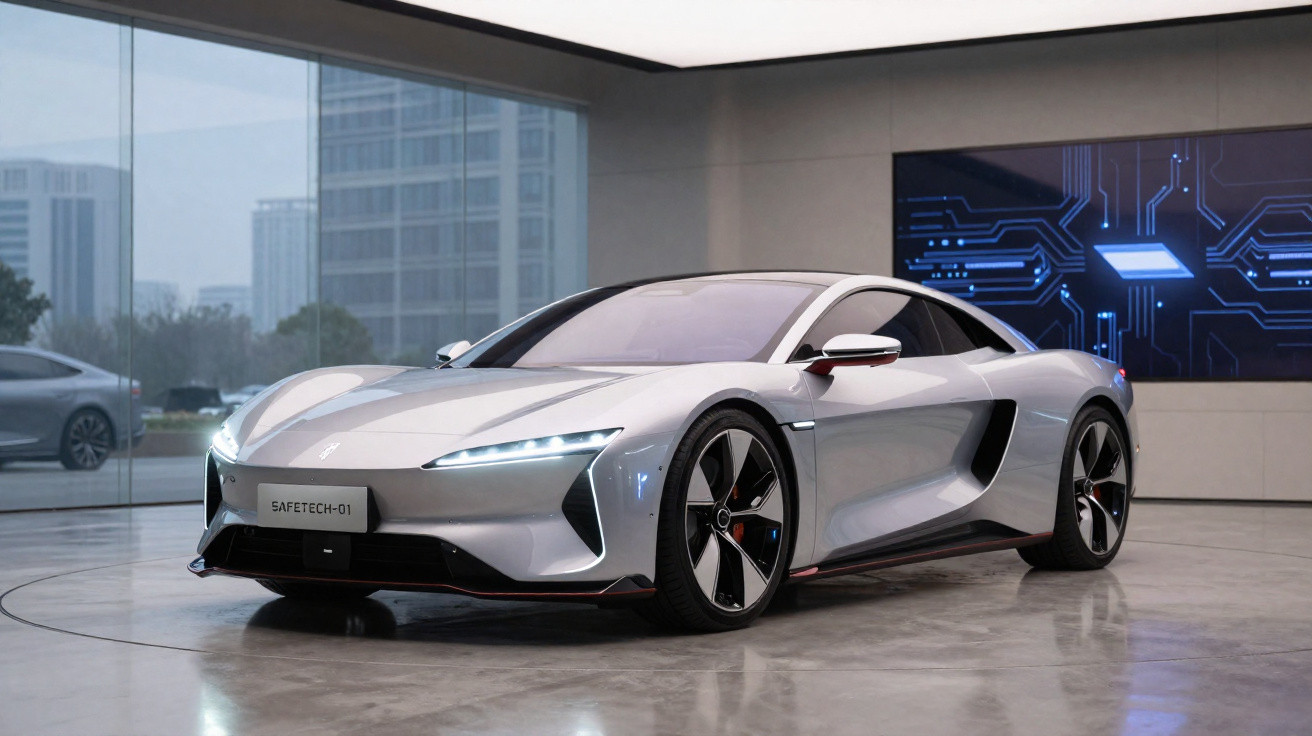
Developing a new car generally takes between three and five years. Chinese manufacturers have cut that timeframe to roughly two years, and their next target is just 18 months.
“Chinese speed” has become one of the local industry’s greatest competitive strengths. Yet it is also raising an increasingly uncomfortable question: can this pace be maintained without compromising the safety of the finished product?
China tightens vehicle safety rules
This is precisely the area in which Chinese authorities are applying greater pressure to the industry. Beijing has launched a year-long campaign to strengthen vehicle quality and safety, including manufacturer audits, unannounced inspections and closer scrutiny of how new technologies are validated.
In recent months, China has tightened regulation on several fronts: from requirements specifically targeting electric cars to a ban on retractable door handles and «half steering wheels», as well as fresh rules for advanced autonomous driving systems, which will take effect next year.
In addition, the Chinese regulator is preparing to double the required durability-test distance for new energy vehicles - electric cars, plug-in hybrids and range-extender electric vehicles - from 15,000 kilometres to 30,000 kilometres. This would bring them into line with combustion-engined cars.
According to analysts quoted by Automotive News Europe, the announced changes and inspection campaign could compel companies to take a more disciplined approach to the areas in which they choose to reduce development time.
A race that is hard to slow down
Chinese manufacturers recognise the risks. Geely, Great Wall Motor and Chery have said that shorter development cycles effectively turn customers into test subjects, assessing vehicle durability and safety in real-world conditions.
Li Xueyong, Chery’s vice-president, said: “Cars are not fast-moving consumer goods. They affect the safety of millions of families and must be able to withstand different road conditions, climates and driving habits around the world. There are some development tests that we cannot afford to accelerate”.
According to the manufacturers themselves, the difficulty is that slowing down is not an easy option. Development speed has become a key part of their competitive advantage in an ever more contested market, where buyers expect frequent new models and updates.
“It is not really easy to ask someone to slow the pace. Everyone is in a race to get ahead,” Li Shufu, Geely’s chairman, said in an interview with Chinese state television.
This pressure is no longer limited to Chinese manufacturers. European car makers are also seeking to shorten development cycles, often using their operations in China to speed up the process.
Volkswagen, for instance, developed the ID. UNYX 08 electric SUV in only 24 months, using artificial intelligence (AI) and virtual reality to accelerate digital validation. The Renault Group, meanwhile, developed the Renault Twingo in a record 21 months.
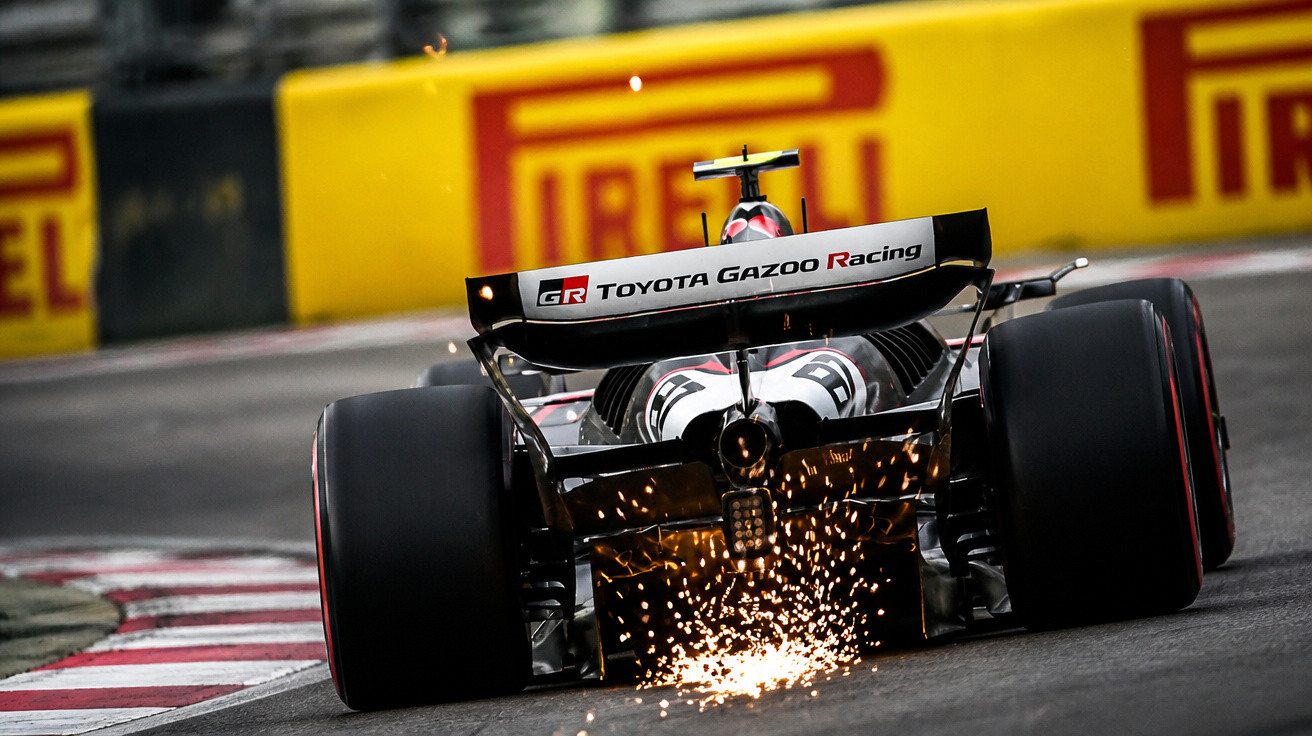
Toyota is likewise working to reduce a process that normally lasts between three and five years. It is doing so by developing new platforms and several models simultaneously, rather than progressing through each project one after another.
Artificial intelligence is the key
AI is one of the main tools used to shorten development timelines. Work that once required engineers to manually check thousands of components can now be accelerated through AI-driven simulation and digital validation stages before a physical prototype is built.
Physical testing still takes time
However, physical testing remains necessary to validate components and safety-critical systems, and it takes time.
“AI can help manufacturers become as fast and accurate as possible and reduce the number of design errors, but there are basic requirements, such as 30,000- or 50,000-kilometre road tests, that cannot and should not be replaced,” explains Yala Zhang, managing director of Automotive Foresight.
For smaller manufacturers, the challenge is especially difficult. More physical testing means longer development periods and higher costs, at precisely the moment when they rely on speed to survive in a fiercely competitive market.




Comments
No comments yet. Be the first to comment!
Leave a Comment