

That exact moment prompts many people to reconsider things every year: is a quick pass with the vacuum cleaner enough, or is it time to give your home a genuine fresh start? Professional organisers recommend a clear ritual lasting around 15 hours, which not only removes dirt but also tidies the entire home - and, surprisingly often, your state of mind too.
Why now is the ideal time for a complete home reset
The start of spring changes more than it may initially seem. Light enters rooms at a lower, harsher angle. Suddenly, every film of dust on a shelf, every mark on a door and every cobweb in a corner becomes visible. What remained unseen in winter's half-light now catches your attention.
There is another benefit: windows can finally be left open for hours without the living room becoming cold. Air circulates, winter moisture disappears and musty corners dry out. Professionals use precisely this combination of light, fresh air and energy as the starting signal for a thorough home clean that goes far beyond simply vacuuming and mopping.
"Spring is not merely a season, but a signal: now is the time to let your home breathe completely anew."
The comparison with the garden is fitting, too. Outdoors, old dead branches are cut back, anything slowing growth is removed, and room is made for new shoots. Indoors, the principle is similar: clear out the excess, let fresh air in and create systems that make daily life easier.
The 15-hour ritual: how to plan your spring clean without stress
Professionals estimate that an average flat or typical family home needs around 15 to 20 hours for a truly top-to-bottom clean. That may sound like a lot, but it becomes manageable when divided up intelligently.
Three realistic time plans
- The intensive weekend plan: Two days of 7–8 hours each, with clearly defined breaks. Ideal for anyone who wants to get it done "in one go".
- The after-work plan: One hour each day over three weeks. A good option for people who can still get something done after work but do not want to overwhelm themselves.
- The block plan: Five 3-hour sessions across one week. Perfect if you have time off or flexibility when working from home.
What matters is having a specific sequence rather than simply good intentions. Those who just "start somewhere" often give up in frustration because they cannot see a result.
Checklist for every room - organised from entrance to balcony
Professional organisers recommend using a list with the same structure every time. It keeps everything clear and lets you tick off completed tasks.
| Area | Focus |
|---|---|
| Hallway / entrance | Shoe clutter, coat storage, mirror, light switches, skirting boards |
| Living room | Shelves, sofas, cushions, rugs, windows, media equipment |
| Bedroom | Mattress, bed linen, pillows, wardrobe, bedside tables |
| Kitchen | Cupboard fronts, appliances, fridge, food supplies, worktops |
| Bathroom | Grout, taps, shower screen, cupboards, textiles |
| Storage areas / cellar / loft | Stored clutter, boxes, discarded appliances |
| Balcony / terrace | Floor, railings, furniture, plant debris |
The rule for each of these areas is simple: declutter first, then clean. If you start with a cloth immediately, you will otherwise be cleaning around items that will be discarded anyway.
Minimal cleaning products - these basics are entirely sufficient
A cupboard overflowing with specialist cleaning products rarely delivers better results. Many professionals work with only a handful of affordable staples:
- White vinegar: Removes limescale in bathrooms and kitchens, disinfects surfaces and helps tackle water marks.
- Soft soap or traditional household soap: Cuts through grease, cleans cupboard fronts and mops floors - particularly in kitchens and hallways.
- Sodium bicarbonate (the baking powder alternative): Gently scours, absorbs odours and cleans grout and heavily used areas.
- Microfibre cloths: Pick up dust, wipe surfaces without streaks and polish glass.
- A soft brush and sturdy bucket: Useful for corners, grout, terrace steps or stubborn grime.
"The trick is not an expensive specialist cleaner, but the order of the jobs and sticking with them."
One tried-and-tested tip is to combine baking powder with a little soap to make a lightly grainy paste. The mixture is suitable for heavily soiled tile grout, garden steps and even the soles of white trainers - anything that has developed a "grey film".
Room by room: turning cleaning into a regular ritual
The same routine for every room
Using the same process in every room means less thinking and faster progress. The basic method is:
- Declutter: Set out three boxes or bags: keep, pass on and dispose of. Go through everything left out in the open.
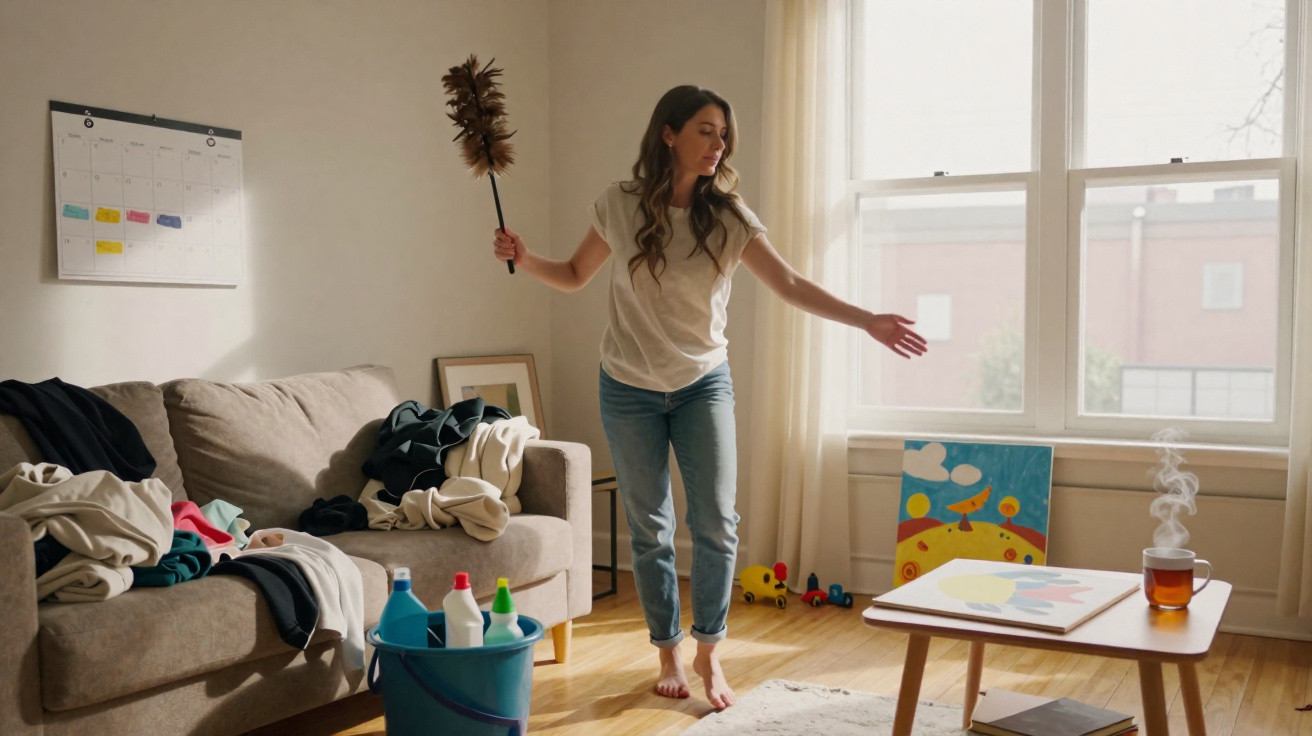
- Work from top to bottom: Start with ceilings, lamps and the tops of cupboards, then move to shelves, surfaces, windows and doors, finishing with the floor.
- Textiles: Put anything that can go in the washing machine straight in: cushion covers, curtains, throws and some rugs.
Textiles in particular make a huge difference to how a room feels. Fresh curtains and cushions can often make a room seem "like new", even without buying furniture or decorations.
Bedroom: more air for better sleep
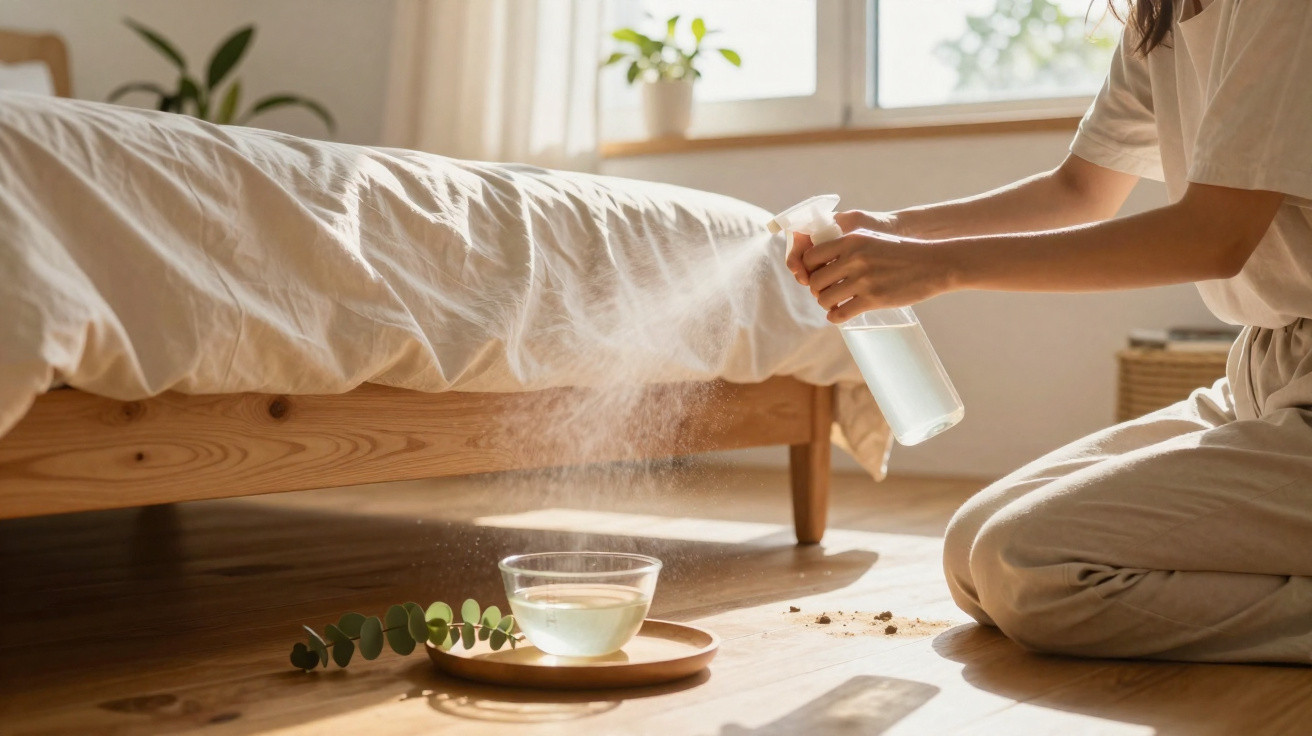
A professional tip: rotate or turn the mattress, vacuum it thoroughly and air it for a few hours. Put pillows and duvets in the washing machine or take them to the dry cleaner, according to the care label. In the wardrobe, assess anything that has not been worn for a year: keep it or let it go?
Swapping thick winter jumpers for lighter garments gives many people a noticeable sense of having arrived in the new year. It also creates space and makes it quicker to see what you actually wear in the morning.
Kitchen: appliance care, not just wiping worktops
In the kitchen, it pays to look behind the scenes. Empty the fridge completely, remove out-of-date products and wipe the compartments with vinegar water. Check not only the front of the hob and oven but also the sides: crumbs, grease and dust all collect here unnoticed in everyday life.
If you have a dishwasher, run a maintenance cycle with vinegar or a specialist cleaner, clean the filter and seals, and reduce odours and limescale build-up. The same applies to the washing machine: clean the lint filter, seal and detergent drawer, then run a hot cycle with no laundry inside.
Bathroom: grout, taps and hidden corners
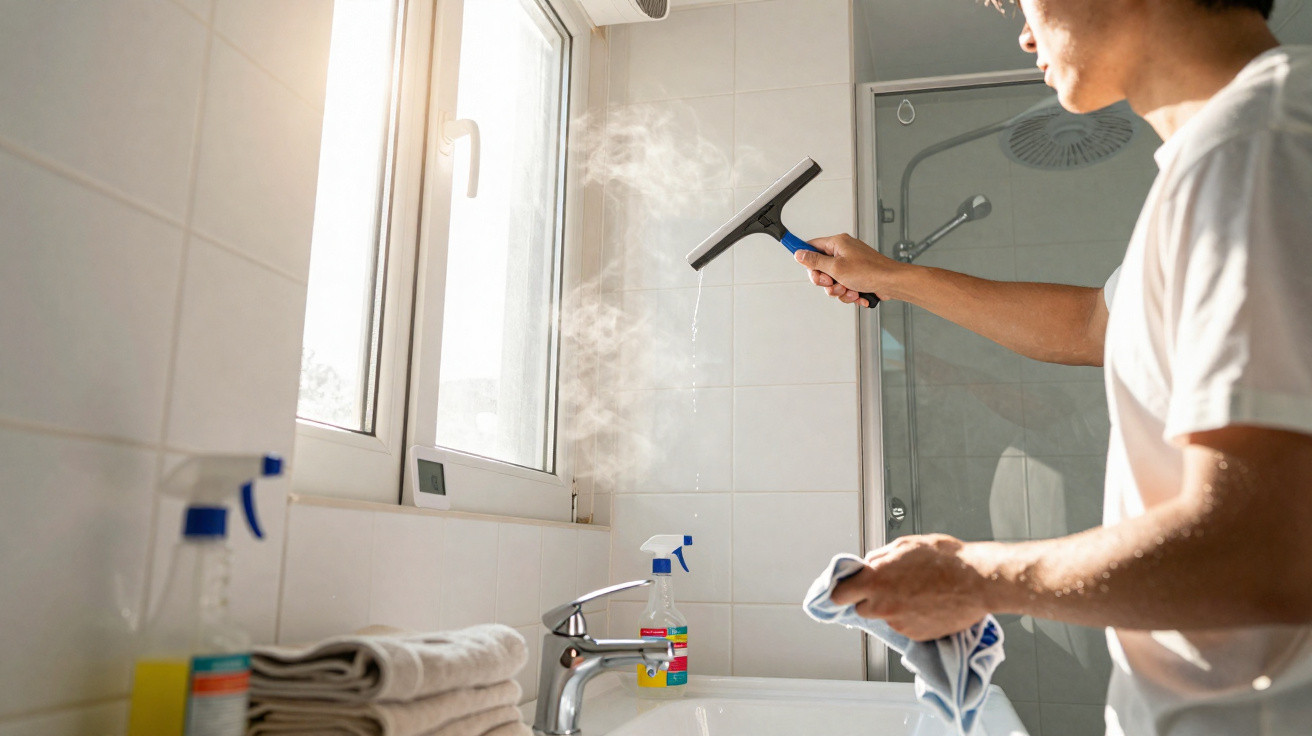
In the bathroom, limescale, soap residue and traces of mould often build up unnoticed. The baking powder and soap paste is suited to grout, while vinegar helps with the shower head, taps and glass screen. Textiles such as bath mats, towels and shower curtains should go into the wash - ideally on a 60-degree cycle if the material allows it.
Balcony, terrace and cellar - the often-forgotten spaces
Many people focus indoors on the visible rooms and only realise on a warm evening that the balcony is still in winter mode. Part of the 15-hour ritual should therefore take place outside.
- Sweep the floor and, if needed, clean it with a scrubbing brush and soap solution.
- Dispose of old plant debris, leaves and empty pots.
- Clean furniture, tighten screws and check cushions.
- Clean railings, the outside of windows and window ledges.
In the cellar or loft, it is worth setting aside a clearly limited slot of around 60 minutes. The aim is not perfection but visible improvement: sort one shelf, clear one corner or deal with a stack of boxes. These small wins are hugely motivating.
Making the home clean a family ritual rather than a punishment
Many people associate a major clean with stress and bad moods. Professionals advise changing its character: move away from "duty" and towards a recurring annual ritual. Put music on, wear comfortable clothes and assign clear tasks for every age group:
- Children can sort toys, dust bookcases and pair socks.
- Teenagers can look after their room, clean windows and perhaps tackle the balcony.
- Adults take care of appliances, the bathroom, kitchen and finer details.
"Those who plan the spring clean as a shared action day experience it less as a burden - more like an inner reset for the whole family."
A visible list on the fridge, where completed tasks are marked off, can help as well. This allows everyone to see what has already been achieved instead of focusing only on what remains.
Why thorough decluttering matters more than a perfect shine
Psychologists repeatedly highlight the effect that tidiness has on personal wellbeing. Fewer belongings mean fewer visual stimuli, allowing the brain to switch off more easily. Anyone who declutters consistently in spring benefits throughout the year: less time spent searching, less cleaning and less of a feeling of being "hemmed in" by possessions.
A practical example: a wardrobe containing 30 items that are genuinely used can be tidied in minutes. A wardrobe with 120 items, 70 of which are hardly ever worn, takes a great deal of energy every time. The same applies to kitchen drawers, toy boxes and bathroom cupboards.
The greater risk is overdoing it. Anyone who sets targets that are too ambitious ("Everything in one day, absolutely perfect") can end up blocking themselves. A more realistic approach is a clear plan with breaks, a few snacks, plenty of water - and the understanding that 80 per cent is entirely enough. What matters is the visible fresh start, not a sterile shine.



Comments
No comments yet. Be the first to comment!
Leave a Comment