
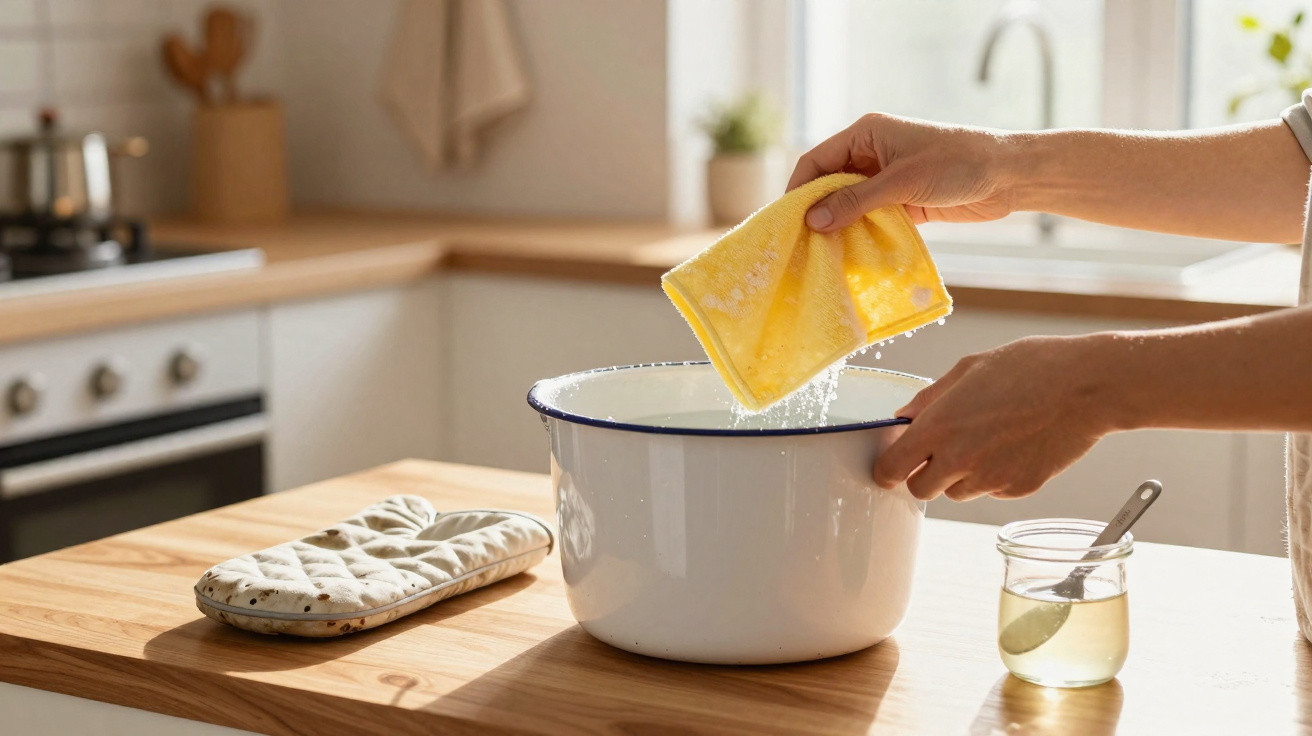
We scrub, boil, machine-wash and spray, but the greasy rings on oven mitts and the sour odour lingering in dishcloths can still refuse to disappear. Increasingly, home-cleaning enthusiasts are adopting one remarkably straightforward practice: an overnight soak that can revive even old, grubby textiles by the next morning.
Why kitchen textiles become dirty so quickly
Dishcloths, tea towels and oven mitts sit at the heart of kitchen mess. They come into contact with everything from raw meat juices and oil splashes to coffee spills, baked-on cheese and sticky sauces.
Grease is usually the greatest problem. It adheres to fibres, holding in odours, dust and bacteria. Heat from ovens and pans can then effectively “bake in” the grime, creating yellowish marks and stiff patches that an ordinary wash does not shift.
Oven mitts can be more difficult still. They are often thick, quilted or made with synthetic linings. Food residue and grease work their way between the layers, yet they are not always washed as often as they should be because of concerns about them losing their shape.
Night-time soaking gives detergents and simple household ingredients the hours they need to break down old grease lodged deep in the fabric.
The overnight soaking method that changes everything
The process is almost deceptively easy. Its effectiveness comes down to using warm water, suitable additions and enough time.
Step-by-step: soaking dishcloths and oven mitts overnight
- Fill a bucket, washing-up bowl or large basin with warm, rather than boiling, water.
- Add a cleaning solution suited to grease and odours.
- Submerge the dishcloths, tea towels and oven mitts completely.
- Allow them to soak overnight for 6–10 hours.
- Rinse well in the morning, then either hand-wash them or run a short machine wash.
- Dry them fully, ideally outdoors in sunlight or somewhere with good airflow.
This extended soaking period gives the cleaning ingredients time to gradually release oils and oxidised stains that a short wash cycle can barely affect.
Which soaking mix works on old grease?
A number of mixtures can work well, depending on the supplies available and the delicacy of the material. Many people rotate between two or three methods.
| Soak type | Main ingredients | Best for |
|---|---|---|
| Gentle everyday soak | Washing-up liquid + warm water | Light grease, daily cloths |
| Deep-degreasing soak | Washing soda or laundry booster + detergent | Old grease, yellowed patches |
| Odour-removal soak | Baking soda + white vinegar (used separately) | Musty smells, sour dishcloth odour |
| Stain-targeting soak | Oxygen bleach powder | Tea, tomato, burn marks on light fabrics |
A simple “base recipe” for most kitchens
For cotton dishcloths and hard-wearing oven mitts, this straightforward but effective mixture can be used:
- 3–4 litres of warm water
- 2 tablespoons of liquid laundry detergent or concentrated washing-up liquid
- 2 tablespoons of washing soda or a laundry booster (not baking soda; washing soda is stronger)
Mix the solution, add the textiles and push them beneath the water. Washing soda alters the water’s pH, helping to break down persistent fats from oils, butter and meat.
Grease needs chemistry as much as scrubbing – altering the water’s pH helps oils release their grip on the fabric.
Removing odours: fresh as well as clean
Kitchen textiles may still retain a stale, sour smell even after their visible stains have faded. This odour is often caused by bacteria multiplying in damp cloths that have been left crumpled in the sink or on the worktop.
A two-step soak for strongly smelling dishcloths
For cloths that smell unpleasant even immediately after washing, a two-stage method can be particularly useful:
- Alkaline phase: Soak overnight in warm water with laundry detergent and washing soda.
- Acidic rinse: In the morning, rinse the cloths, then soak them for 30 minutes in fresh warm water with half a cup of white vinegar.
Do not combine washing soda and vinegar in one bowl, as they cancel one another out. When used one after the other, they address both grease and the residues responsible for odours.
Different fabrics and colours
Kitchen textiles are not all made alike. A patterned oven mitt or a tea towel containing wool may require a milder treatment.
Cotton and linen cloths
These materials can generally tolerate more powerful soaking solutions and hotter wash temperatures. Oxygen-based bleach powders are usually suitable for white cotton and can brighten it gradually. With coloured cloths, consult the care label and test a concealed area before repeatedly using strong laundry boosters.
Synthetic or mixed-fibre oven mitts
Many padded oven mitts include polyester, foam or metallic inserts, which do not cope well with boiling water or extended exposure to harsh products.
- Use warm water rather than hot water.
- Do not use chlorine bleach, as it may damage fibres and fade printed designs.
- Let mitts air-dry fully so that hidden padding does not remain damp.
Where an oven mitt has a removable outer cover, remove it and soak only the fabric layer. This allows thorough cleaning without repeatedly saturating the insulating inner section.
How often should dishcloths and oven mitts be soaked?
Most households do not need to soak these items daily, but allowing them to remain dirty for weeks gives stains time to become set in.
A practical routine could be:
- Dishcloths and sponges: wash quickly after each day, with a longer soak once a week.
- Tea towels: soak weekly, or earlier if they have been used on greasy pans.
- Oven mitts: give them a deep soak every 3–4 weeks, or following significant spills.
Think of overnight soaking as a monthly “reset” that returns cloths and mitts to their original state instead of slowly accepting the grime.
Hygiene, food safety and concealed risks
Cleaner kitchen textiles matter for more than appearance. A greasy oven mitt that is seldom washed may retain food residues, particularly from meat juices and dairy splashes. Bacteria can multiply rapidly on damp fabrics in a warm kitchen.
Regular soaking followed by complete drying helps lower this risk. Leaving cloths slightly wet on a radiator or bunched beside the sink promotes mould and the familiar musty odour. Good ventilation, a sunny windowsill or a heated airer will help keep them fresher for longer.
Simple additions that improve soaking results
A few inexpensive household additions can strengthen an overnight soaking routine:
- Lemon juice: can reduce slight yellowing and leave a fresh scent, particularly on white cotton.
- Salt: may lightly scour surface grime when rubbed onto stains before soaking.
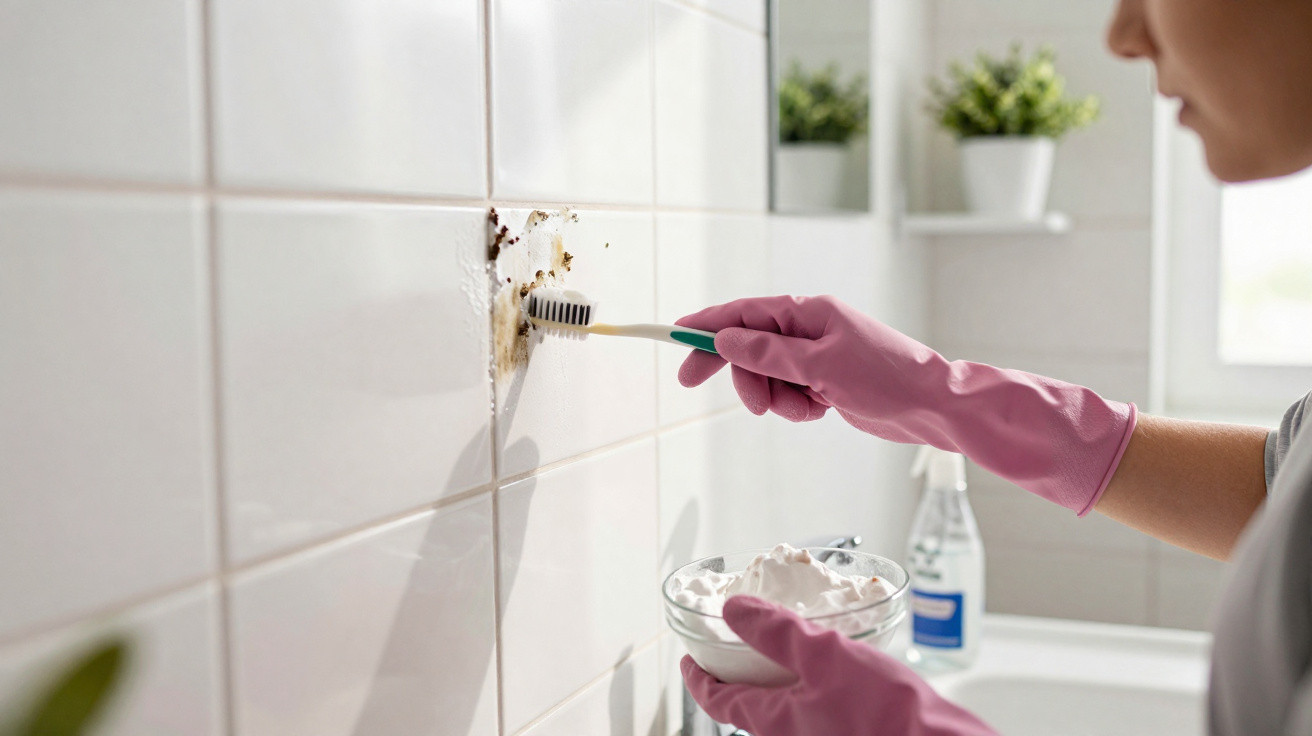
- Pre-brushing: treating especially greasy spots with an old toothbrush and a drop of washing-up liquid can save hours of soaking.
These small adjustments are useful for baked-on cheese, tomato sauce splashes and dark marks from the oven.
From “throw-away” to “keep using”: the economic angle
Many people replace oven mitts and dishcloths every few months because they look or smell beyond saving. An overnight soak carried out regularly can prolong their usable life, reduce spending and limit waste. A mitt that was once dingy can remain in use for years instead of being sent to landfill after a single messy roasting season.
For those seeking to use fewer disposable cleaning products, including paper towels and single-use wipes, this routine can support that change. Reusable cloths stay genuinely clean and comfortable to handle, making it easier to use them confidently while cooking.
Practical scenario: one evening, one bucket, visible results by morning
Picture a Sunday following a large roast dinner. The oven mitt has dark shadows of grease, the tea towels are marked with gravy, and the dishcloths have a faint sour smell. Rather than putting everything straight into a hot wash and hoping it works, fill a bucket, add detergent and washing soda, and place all the textiles in the solution.
By Monday morning, the water will be cloudy, the cloths will feel softer and the stains should appear less pronounced. A short machine cycle then completes the cleaning. There is no vigorous scrubbing and no need for repeated washing. Within a month or two, this one-evening habit can quietly improve the usual level of cleanliness in your kitchen with less work than expected.

Comments
No comments yet. Be the first to comment!
Leave a Comment