
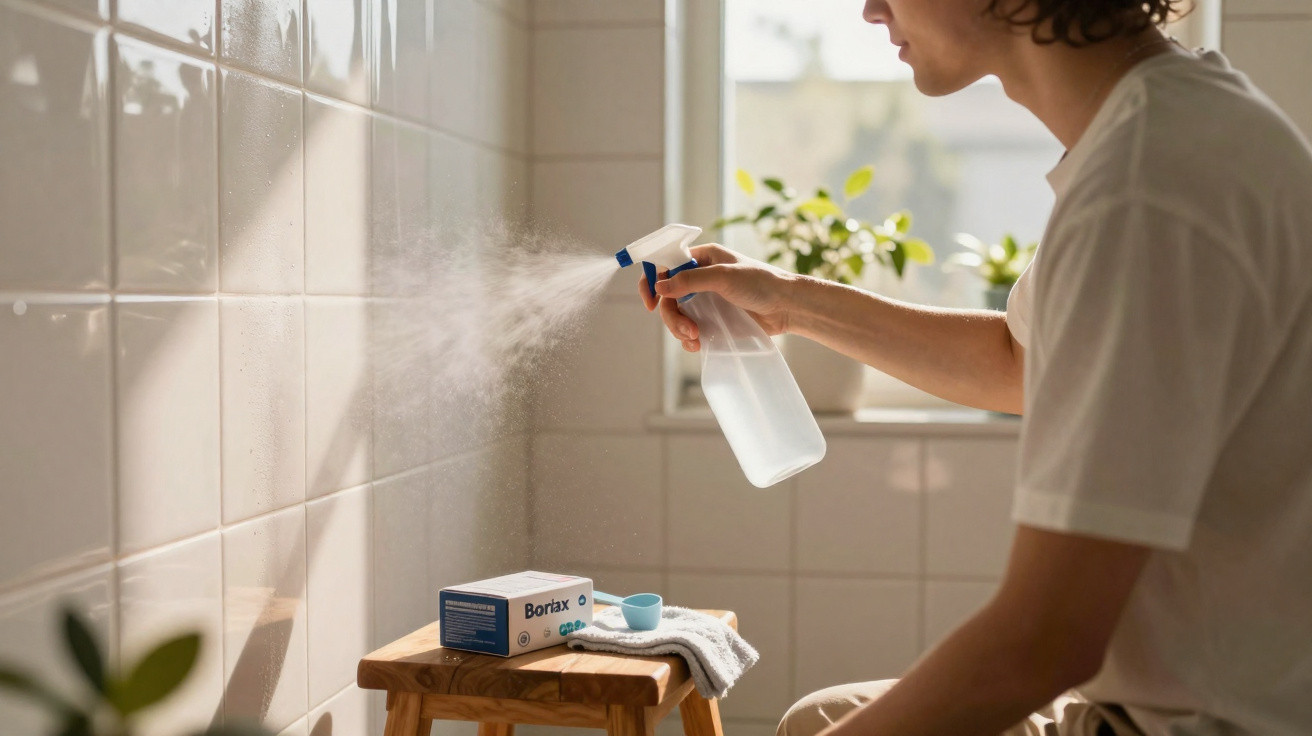
A light scattering of dots along the sealant. A dark patch spreading through a window track. Most of us have experienced the moment when a room we adore abruptly takes on the smell of a damp cellar. You clean, open the window and vow to “keep up with it.” Still, the marks come back. Yet there is a straightforward spray, often used discreetly by professionals and rarely included in standard cleaning routines, that can interrupt the cycle before it starts.
That morning, the bathroom extractor fan clattered like an ageing projector as it struggled to clear the steam from an overly hot shower. Black specks had returned on grout I had scrubbed only the previous week. Humidity clung to the window, making the glass seem as though it were weeping. A neighbour - a retired contractor with coffee in one hand and a scratched plastic bottle in the other - smiled and shook his head. “You’re cleaning mold that’s already fed,” he said. “Feed it nothing.” He passed me the bottle and gave me three rules: deal with the moisture, spray, and do not rinse. It smelled unremarkable, rather like damp chalk. The outcome, though, seemed almost magical.
The overlooked borate spray that stops mould at its source
There is a real distinction between destroying mould you can see and preventing mould from appearing at all. The neglected star is a borate spray: ordinary borax from the laundry aisle, mixed with water and allowed to dry. Rather than merely cleaning the surface, it leaves an almost invisible mineral coating that fungi dislike growing on. Preventing the problem is always preferable to repeated scrubbing.
Leila, a tenant in a 1950s Portland walk-up, used to fight fuzzy growth around her sash windows every October. She had tried bleach wipes, vinegar and even an expensive essential-oil mixture. “It always came back,” she told me. She then prepared a borax solution, applied it to the timber frames and left it in place. Her windows remained clear that winter. She made only one other change: using a compact dehumidifier to maintain room humidity at 40–50%. The EPA guidance is straightforward: indoor humidity should remain below 60%, with 30–50% being ideal. Once she reached that range and sprayed monthly, the pattern ended.
The reason is simple. Borates are alkaline salts. As they dry on a surface, they produce conditions that interfere with mould growth: they disrupt enzymes, pull moisture from spores and shift the surface pH enough to make life harder for fungi. Bleach, on the other hand, may lighten stains without reaching porous crevices. Vinegar and hydrogen peroxide can reduce existing growth, but they do not leave much of a lasting protective layer. A borate spray does not have a laboratory-like odour. It simply remains in place and gets on with its slow, dependable work.
How to apply borate spray like a professional
Dissolve 240 ml of borax in 3.8 litres of hot water. Stir or shake it until it has dissolved completely, with no granules left at the bottom. Transfer it to a spray bottle for small jobs, or use a pump sprayer for basements and joists. First remove visible dirt with soapy water and allow the surface to dry, then spray on a generous mist. The aim is even damp coverage, not soaking. Leave it to dry on the surface and do not rinse it away.
Focus first on places where dampness persists: bathroom grout, window tracks, the backs of furniture placed against external walls, wardrobe corners and basement sill plates. Remove dust so that the spray can actually reach the material. Try it first on a concealed area of untreated timber or natural stone, as borates are alkaline and may leave a slight film. Keep it away from food-preparation surfaces unless you intend to wipe them with clean water afterwards. Realistically, few people want a demanding maintenance regime. Spending five minutes spraying after a leak has been repaired, or once at the beginning of the humid season, is the sort of routine people can maintain.
The most frequent error is rinsing the treatment away “to be safe”. That removes the very protective layer you have just created. Equally, no spray can solve an active leak: address the water problem first, every time. Do not combine borax with acids such as vinegar either, because doing so neutralises its effect. As one building inspector put it:
“Moisture control is the engine. Borate is the seat belt.”
- Bathrooms: Once grout and sealant have been cleaned, spray them and allow them to dry before the room is exposed to steam again.
- Windows: Treat sills, tracks and the lower sash, where condensation tends to collect.
- Wardrobes: Move clothes away from corners, spray the skirting boards and rear wall, then allow everything to air-dry.
- Basements: After any drying work, lightly mist exposed joists, rim joists and sill plates.
- Behind furniture: Pull a sofa or chest of drawers about 5 cm away from the wall, spray the exposed strip and breathe more easily.
A modest habit with far-reaching benefits
Treat borate as quiet insurance for the parts of a home that sweat. It is not a replacement for the essentials - ventilation, repairing drips, running the extractor fan during showers and keeping furniture away from external walls - but it adds a slim, persistent layer of “not today” to mould’s list of opportunities. In properties where humidity rises and falls with the seasons, one easy application just before the clammy months can bring extra time and reassurance. In rented homes, where you cannot remove plasterboard or change the windows, it is a portable defence that can move with you. When the spots fail to return, you can almost feel the strain ease and hear the room breathe out. Its appeal is, amusingly, how unglamorous it is: no sparkle, no “fresh lemon” fragrance and no influencer gloss. It is simply a dusty mineral doing its work while you get on with yours.
| Key point | Detail | Benefit for the reader |
|---|---|---|
| The spray | Borate solution (borax + hot water), left to dry | Produces a residual barrier that discourages fresh mould growth |
| How to use it | Clean, dry, spray evenly and do not rinse | Makes a chore into a fast preventative routine |
| Where it works best | Bathrooms, window tracks, wardrobes, basements and behind furniture | Focuses on real-world hotspots where moisture remains |
FAQ
- Is borax safe around children and pets? It is regarded as low toxicity compared with many biocides, but it must not be ingested. Store both the powder and solution out of reach, wear gloves if you have sensitive skin and ventilate while spraying. Do not use it on chewable surfaces or toys. On food-preparation areas, wipe with clean water once it has dried.
- Can I use bicarbonate of soda or washing soda instead? Bicarbonate of soda is useful for odours and gentle cleaning, but it does not leave the same durable antifungal residue. Washing soda is more alkaline and can clean effectively, yet borates have specific antifungal qualities and remain in place better after drying.
- Will it stain or harm surfaces? It dries clear on glazed tiles and most painted walls. Untreated timber may develop a pale film, while the high pH can dull natural stone such as marble or limestone. Test a small hidden patch first. If haze appears somewhere you do not want residue, lightly wipe it back after it dries.
- How often should I reapply it? In a typical bathroom or window area, a light application once a month during humid seasons is effective. Following any leak or condensation event, clean and dry the area before applying it again. If humidity consistently stays within the 30–50% range, you will need to use it less often.
- What if I already have substantial mould growth? Sprays are not a solution for continuing leaks or large infestations. Clean visible growth using detergent and water, HEPA-vacuum the dust, dry the area fully, then use borate for prevention. For contamination larger than a small patch - roughly more than 0.9 square metres - inside HVAC systems, or following flooding, contact a qualified remediation professional.



Comments
No comments yet. Be the first to comment!
Leave a Comment