
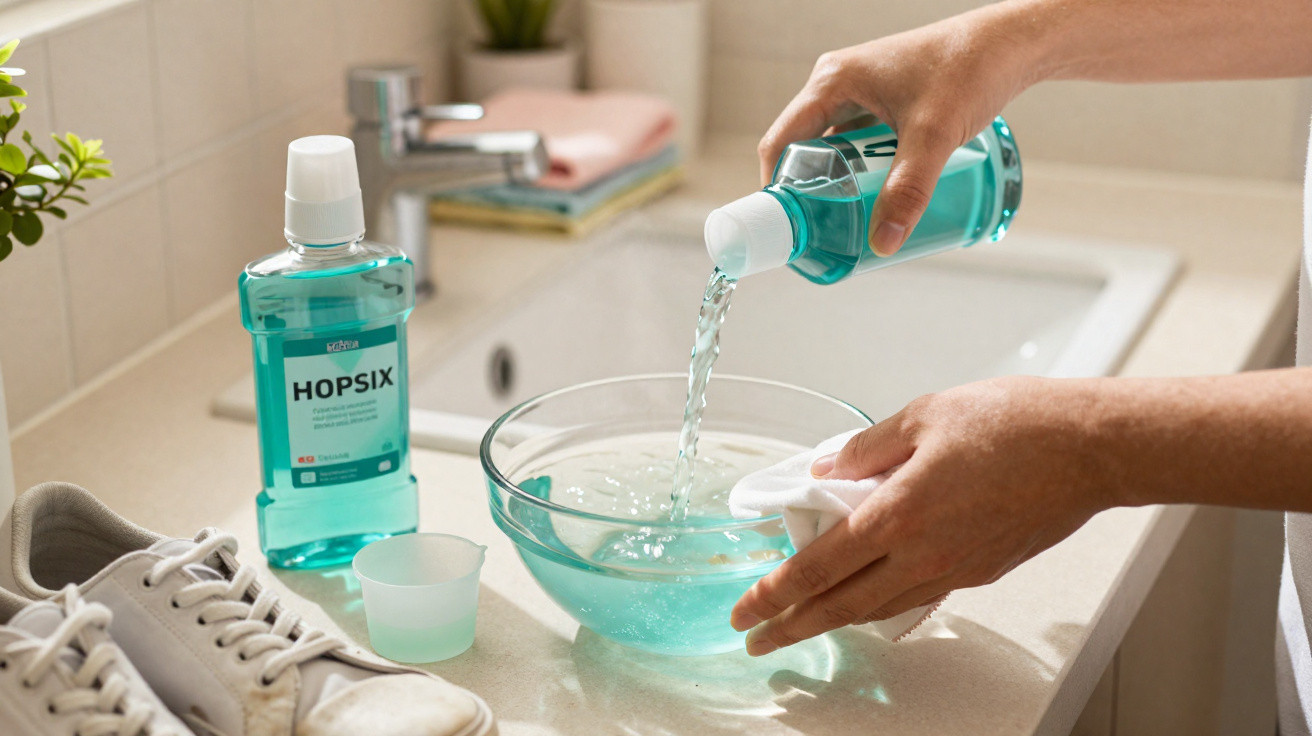
Mouthwash in warm water has become a popular household tip because it brings together a fresh scent, mild cleaning action and convenience. The mixture is not a replacement for proper disinfectants and will not tackle heavy dirt, but it can be useful for occasional jobs around the home, such as reducing unpleasant smells in footwear, cleaning bathroom corners and leaving certain items feeling fresher.
Why does mouthwash work beyond oral hygiene?
Although mouthwash is designed for use in the mouth, many varieties contain fragrant ingredients, alcohol or antiseptic agents at low concentrations. When diluted with warm water, it may therefore help loosen light residue and disguise odours on durable surfaces.
Warm water improves the solution's contact with surface-level dirt and helps distribute the fragrance more evenly. The important thing is not to overdo it. A small amount is generally enough, particularly for cloths, cleaning brushes and containers that will not be used with food.
Where can the mixture be used more safely?
This mixture is most suitable for places where odours, moisture or minor residue tend to build up. Bathrooms, bins, drains and footwear may benefit from this additional cleaning step, provided that the mouthwash is diluted and rinsed away afterwards.
- Bathroom drains, to lessen unpleasant odours between more thorough cleans.
- Washable bins, once the bin liner has been removed.
- The soles of flip-flops and sandals, using a brush kept separate from personal hygiene items.
- Shower enclosure corners, provided there is no natural stone or other sensitive material.
- Cleaning cloths, for quick use on washable surfaces.
Mouthwash should not be applied to untreated wood, marble, unsealed granite, electronic screens, delicate fabrics or surfaces that could stain. It must also never be combined with bleach, ammonia or strong cleaners, as chemical mixtures can irritate the eyes and respiratory tract.
How to use mouthwash in the bathroom without overdoing it
In the bathroom, diluted mouthwash can be used as a maintenance boost. One small capful in one litre of warm water is enough for wiping washable areas, including the outside of the bin, the toilet lid, floor corners and toothbrush holders, always using a clean cloth.
Afterwards, it is best to wipe the area with a damp cloth containing only water and leave the room well ventilated. This prevents surfaces from becoming sticky and limits fragrance build-up. The tip works best when the bathroom is already cleaned regularly with suitable products.
How does warm water help with odours in footwear?
For flip-flops, rubber sandals and some washable trainers, warm water with a little mouthwash may help reduce odours trapped in the sole. Apply the mixture with a dedicated cleaning brush, never with a toothbrush that is still being used.
- Remove dust and soil before wetting the footwear.
- Mix warm water with a small quantity of mouthwash.
- Scrub only washable sections, such as soles and rubber straps.
- Rinse thoroughly so that no scented residue remains.
- Allow the footwear to dry in the shade in a well-ventilated place.
This method is not suitable for leather, suede, delicate insoles or footwear with weak glue. In these cases, moisture can warp or stain the material, or cause parts to come loose. For everyday trainers, complete drying matters more than fragrance.
What should you not do with mouthwash at home?
The main mistake is to treat mouthwash as a universal disinfectant. It is not formulated to remove heavy grease, deep mould, heavily soiled grout or surfaces contaminated with bathroom residue. For these jobs, dedicated household cleaning products are more reliable and safer.
Nor should expired mouthwash be used in the mouth, or diluted in an attempt to “make it go further” for oral hygiene. When the aim is to care for teeth and gums, follow the label instructions and your dentist's advice. The warm-water household mixture should be limited to simple domestic uses.
A useful trick when used as an extra step
Mouthwash in warm water can make small cleaning jobs easier because it leaves a fresh smell, helps release light residue and gives a new purpose to a product forgotten in the cupboard. For drains, bins and washable footwear, the mixture is most effective as upkeep between full cleans.
The key is a low dose, proper dilution and a final rinse. That way, the trick does not become an excess of fragrance or replace appropriate cleaning. Used carefully, it can help keep bathrooms, flip-flops and damp corners more pleasant in day-to-day home life.

Comments
No comments yet. Be the first to comment!
Leave a Comment