
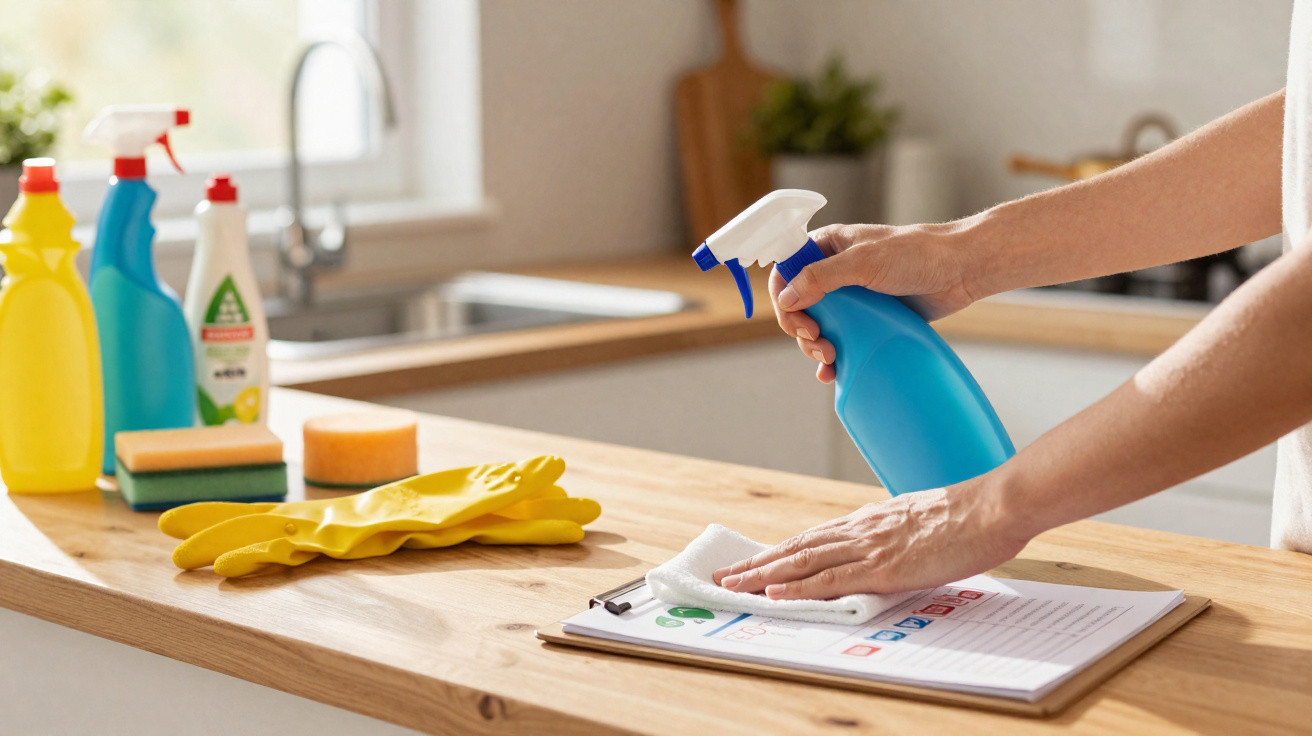
Keeping the home clean may seem straightforward, yet several everyday habits can make cleaning less effective and even harm surfaces. Cleaning professionals say that many mistakes stem from a lack of information, including mixing chemical products, using bleach where it is unsuitable, or assuming that cleaning and disinfecting mean precisely the same thing. Changing these habits can make cleaning safer and more effective.
Why can mixing cleaning products be dangerous?
Many people assume that combining cleaning products will boost their cleaning power, but doing so can create health risks. Certain combinations release toxic gases or trigger hazardous chemical reactions, and they may also damage household surfaces.
Combinations that must never be used include bleach with ammonia, bleach with alcohol, and vinegar with certain incompatible chemical products. The safest approach is to use just one product at a time and follow the manufacturer's instructions.
What is the difference between cleaning and disinfecting?
Although these words are often treated as interchangeable, they refer to separate stages of the process. Cleaning involves removing dust, grease and visible dirt from surfaces. Disinfecting, in contrast, means applying a suitable product to reduce microorganisms after the surface has been cleaned.
Experts point out that using a disinfectant on a surface that is still dirty makes it less effective. It is therefore best to remove any residue first, then apply the disinfectant and allow it to work for the time stated on the label.
- Mixing different chemical products
- Skipping the cleaning stage before disinfecting
- Failing to observe the disinfectant's contact time
- Using the same cloth in several rooms
- Applying more product than necessary
- Forgetting to read the manufacturer's instructions
Why should bleach not be used on every surface?
Bleach works well for certain uses, but it is not suitable for every material. Specialists say that natural stone surfaces, including marble and some types of granite, can become worn, stained or lose their finish after frequent contact with this product.
Before using any cleaning product, it is worth checking that it is compatible with the material in question. In many cases, purpose-made cleaners protect the appearance more effectively and help surfaces last longer.
- Never mix chemical products
- Clean before disinfecting
- Choose products recommended for each surface
- Test on an inconspicuous area when necessary
- Use separate cloths for the bathroom and kitchen
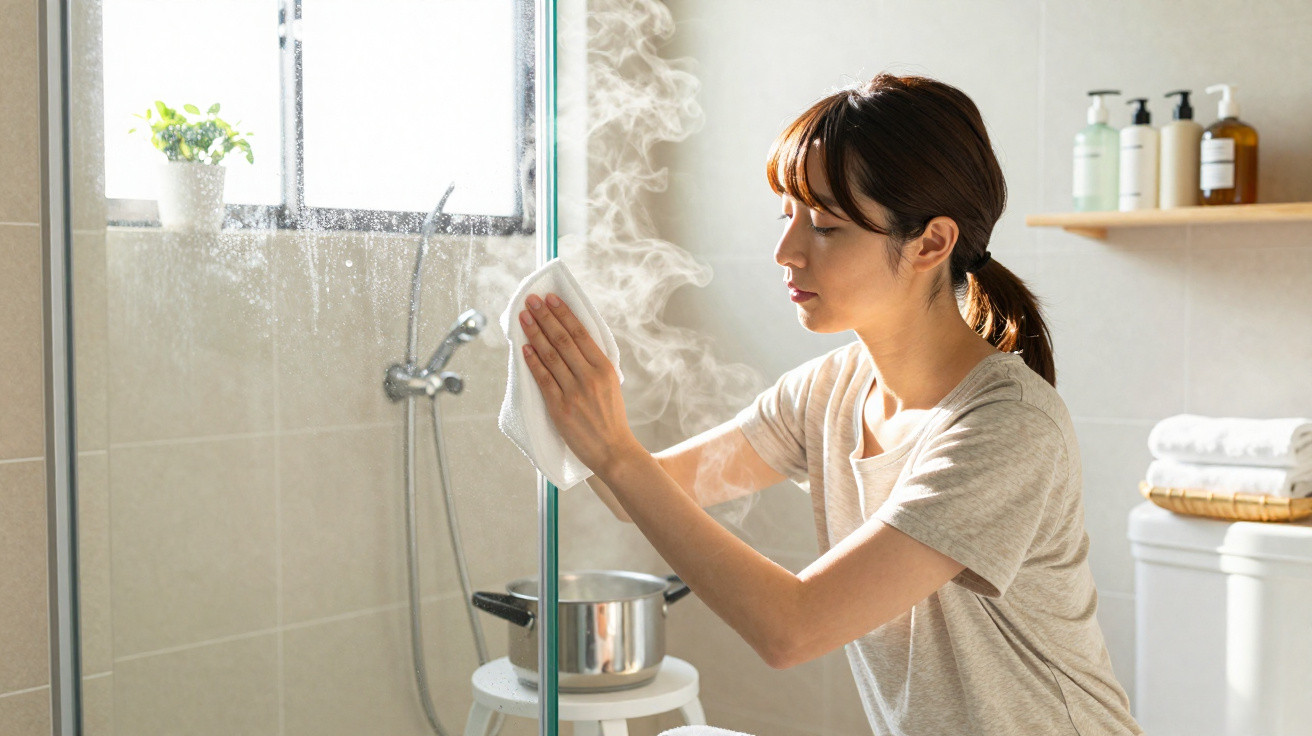
- Keep the room ventilated while cleaning
How can everyday cleaning be made more effective?
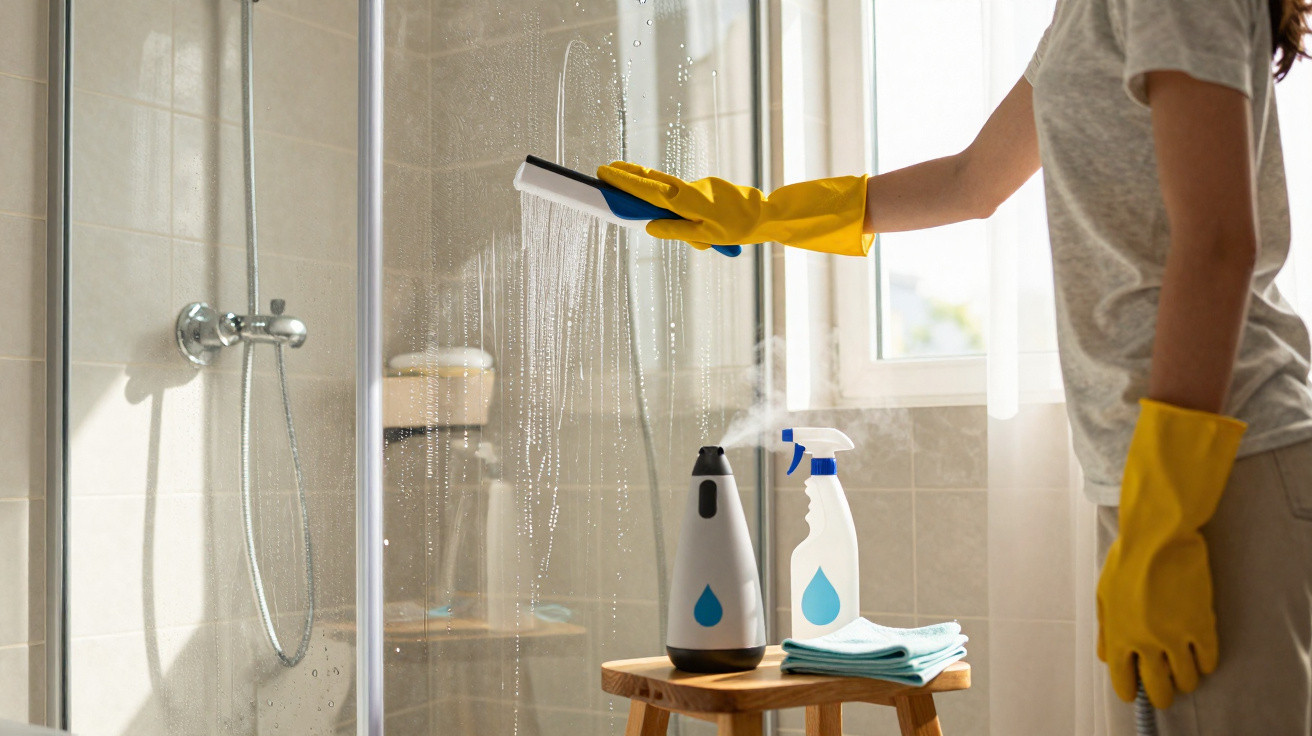
Alongside selecting the right products, establishing an organised routine helps deliver better results. Working from top to bottom, using clean cloths and allowing products their required contact time prevents repeated work and improves cleaning efficiency.
Small changes in routine can have a noticeable effect over time. Rather than relying on numerous different products, prioritising the correct technique generally produces better results while also helping to protect furniture, worktops and wall or floor coverings.



Comments
No comments yet. Be the first to comment!
Leave a Comment