
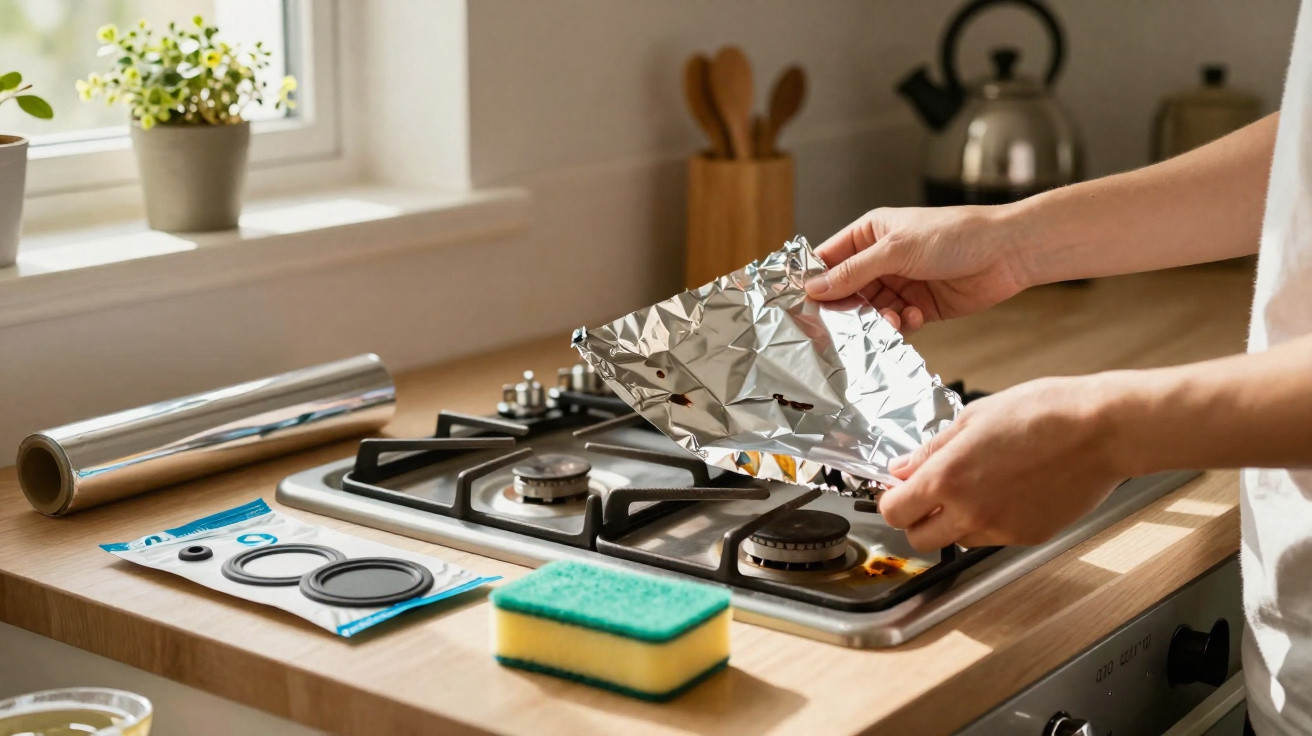
Many people make a habit of covering the hob surface and the area around the burners with aluminium foil after cleaning the cooker. This practice has become common in both home and professional kitchens for practical reasons, chiefly hygiene, appliance protection and the desire to make daily cleaning less labour-intensive. However, it also raises questions about safety, efficiency and its effect on cooker performance.
What does putting aluminium foil on the cooker mean?
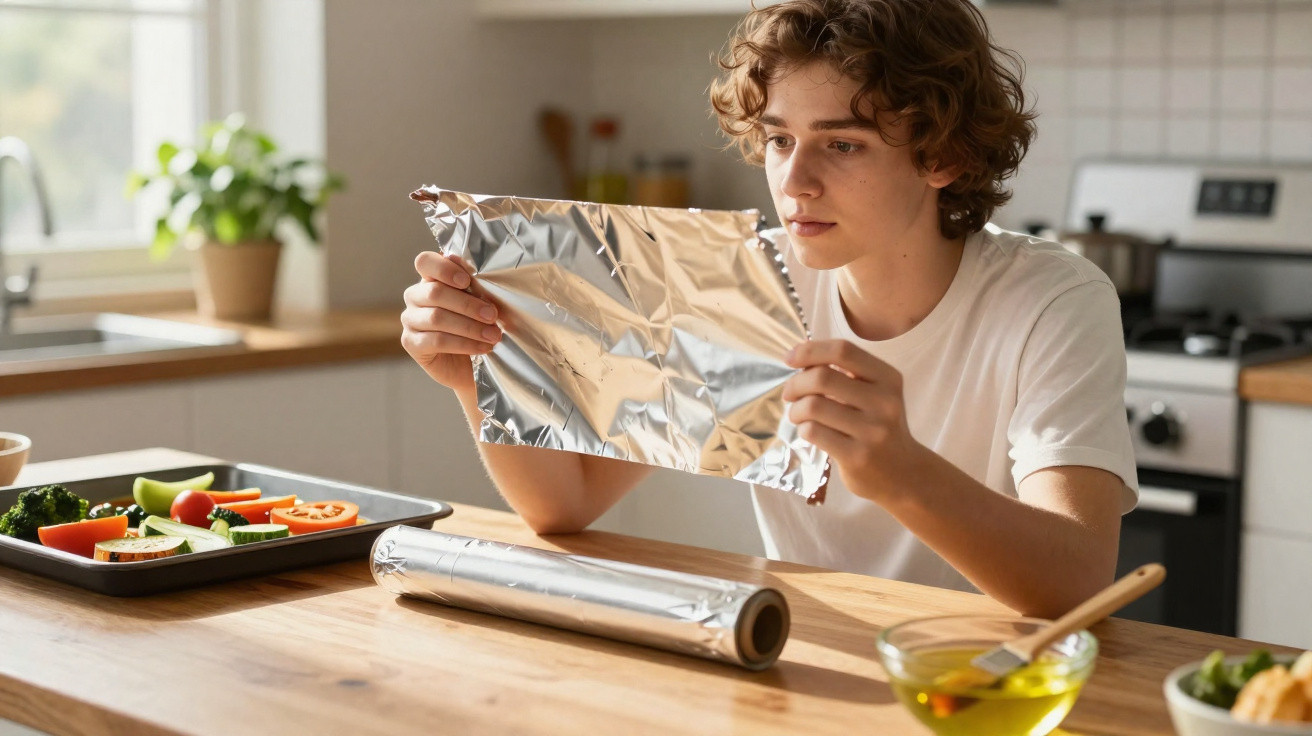
Placing aluminium foil on a cooker involves making a protective barrier between the appliance surface and splashes of grease, liquids and food debris. It is particularly common on stainless-steel cookers and enamelled hob surfaces, where stains and baked-on residue can develop easily and require more vigorous scrubbing.
In everyday use, the foil acts rather like a “disposable cover”: after a few days, it can be removed along with the built-up dirt and replaced. In kitchens that handle a high volume of cooking, this can help contain splashes from frying and thick sauces, keeping the cooker looking newer for longer.
What is aluminium foil on the cooker for, and what precautions are needed?
The main purpose of aluminium foil on a cooker is to shield the surface and simplify cleaning by limiting direct contact between grease or liquids and the stainless steel or enamel. In some situations, it may also reduce the effect of highly acidic foods on the metal, which can help prevent early staining.
However, incorrect use can affect safety, gas consumption and even the operation of sensors and igniters. It is therefore important to follow some practical guidance when fitting and replacing foil around the burners:
- Do not cover gas outlets, air inlets, safety valves or sensors.
- Do not wrap burners, flame spreaders or automatic igniters.
- Keep the foil taut and free from folds near the flame to reduce the risk of scorching.
- Replace it regularly to prevent a build-up of grease, which is flammable.
Is it safe to put aluminium foil on the cooker?
Safety depends mainly on the distance between the foil and the flame, as well as the type of cooker. When foil is placed too close to the heat, the intense temperature can blacken or tear the material and, if grease has accumulated, increase the risk of small fires or burning smells while cooking.
On glass hobs or cooktops, covering the surface with foil may interfere with heat dissipation and affect temperature sensors. If the foil blocks ventilation gaps, the flame may turn yellow and leave dark soot on pans, indicating incomplete combustion and wasted gas.
How can you protect the cooker without relying only on aluminium foil?
Those wishing to keep their cooker in good condition can use purpose-made removable protectors, which are designed to withstand heat and fit individual models more accurately. Another option is to clean the cooker soon after use, while grease has not yet hardened, using a damp cloth with mild washing-up liquid and a soft sponge suitable for stainless steel or enamel.
It is also worth checking the manufacturer’s manual to see whether there are restrictions on using covers on the hob and which cleaning products are recommended. This makes it possible to balance convenience, preservation of the finish and everyday safety, with or without aluminium foil in areas most exposed to splashes.
Comments
No comments yet. Be the first to comment!
Leave a Comment