

A fast-paced lifestyle can turn looking after the home into a burdensome chore when jobs build up over several consecutive days. Following the 30-3 rule, which splits responsibilities into short blocks, restores the balance needed to keep the home clean without physical exhaustion.
How does the 30-3 rule work in daily planning?
Breaking up the time spent on household jobs stops excessive tiredness from taking over your end-of-day rest. Structuring your routine around three set periods ensures steady progress around the home while protecting your usual productivity.
By completing quick sessions in the morning, afternoon and evening, you can deal with minor issues before they become major problems. This strategy lowers built-up stress and makes it possible to maintain continuous organisation in the home with exceptional ease.
How does the micro-cleaning technique keep the home tidy?
This trend centres on actions lasting just a few minutes throughout the day, preventing clutter from building up in… Read more
Why is using a timer essential to the process?
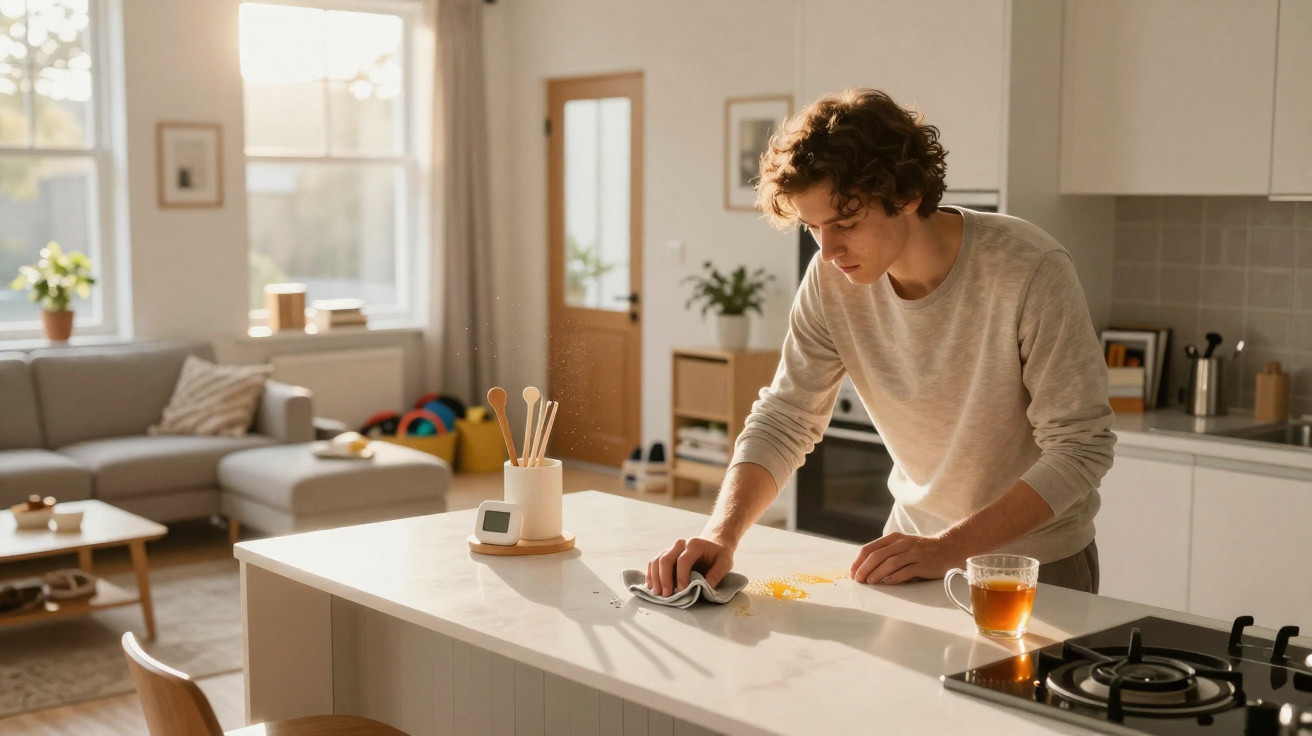
Setting a time limit prevents small cleaning jobs from turning into long, tiring deep-cleaning sessions. Starting a timer immediately directs attention towards priorities, avoiding distractions caused by unimportant details during the allocated work period.
Knowing that the task will end after thirty minutes encourages both physical and mental speed when completing daily jobs. This time restriction prevents bodily fatigue and keeps focus high until the goal has been completed successfully.
Below is a video from the Organise Yourself YouTube channel that explores the points discussed in this topic in greater depth:
How should tasks be prioritised in different areas of the home?
Starting with the most demanding spaces ensures tiredness does not undermine the overall organisation. Tackling high-effort areas early in the day prevents procrastination and creates an immediate feeling of relief and achievement.
Spreading small maintenance jobs across spaces used every day stops heavy dirt from accumulating unnecessarily. Consistently dealing with outstanding jobs straight away protects hygiene and greatly simplifies planning for the family’s entire daily routine.
Essential Kit for Faster Cleaning
Key steps for the daily routine
Here are the three essential pillars for keeping the space organised without wasting time:
- Make the bed on waking up;
- Collect and fold clean clothes immediately;
- Clean sinks and surfaces as soon as they have been used.
Which micro-tasks deliver immediate organisation results?
Making the bed as soon as you get up changes the visual impression of the bedroom and creates an instant sense of order. This straightforward morning action establishes a productive mindset, encouraging ongoing care for the other areas of your home.
Dealing with clothes as soon as they come out of the tumble dryer or off the washing line prevents garments from piling up on chairs. Folding them promptly stops mountains of clothing from forming, keeping bedrooms organised with ease and everyday practicality.
Simple actions carried out routinely can transform the appearance of the home without requiring major effort:
- Wash and put away dishes immediately after meals;
- Wipe the bathroom counter after the morning routine;
- Put away shoes and coats as soon as you arrive home.
How can you stay consistent without overloading your routine?
The key to making this method work is committing to the daily regularity of every step. Dividing household jobs across the day turns major responsibilities into simple tasks, making orderliness a light, natural habit.
When there is no longer any need to set aside weekends for heavy deep cleaning, more free time becomes available. This change benefits the whole family, ensuring a welcoming, clean home with complete peace of mind and comfort for everyone.


Comments
No comments yet. Be the first to comment!
Leave a Comment